Litterae – an exhibition at the Howe Library, Hanover, NH October 2024

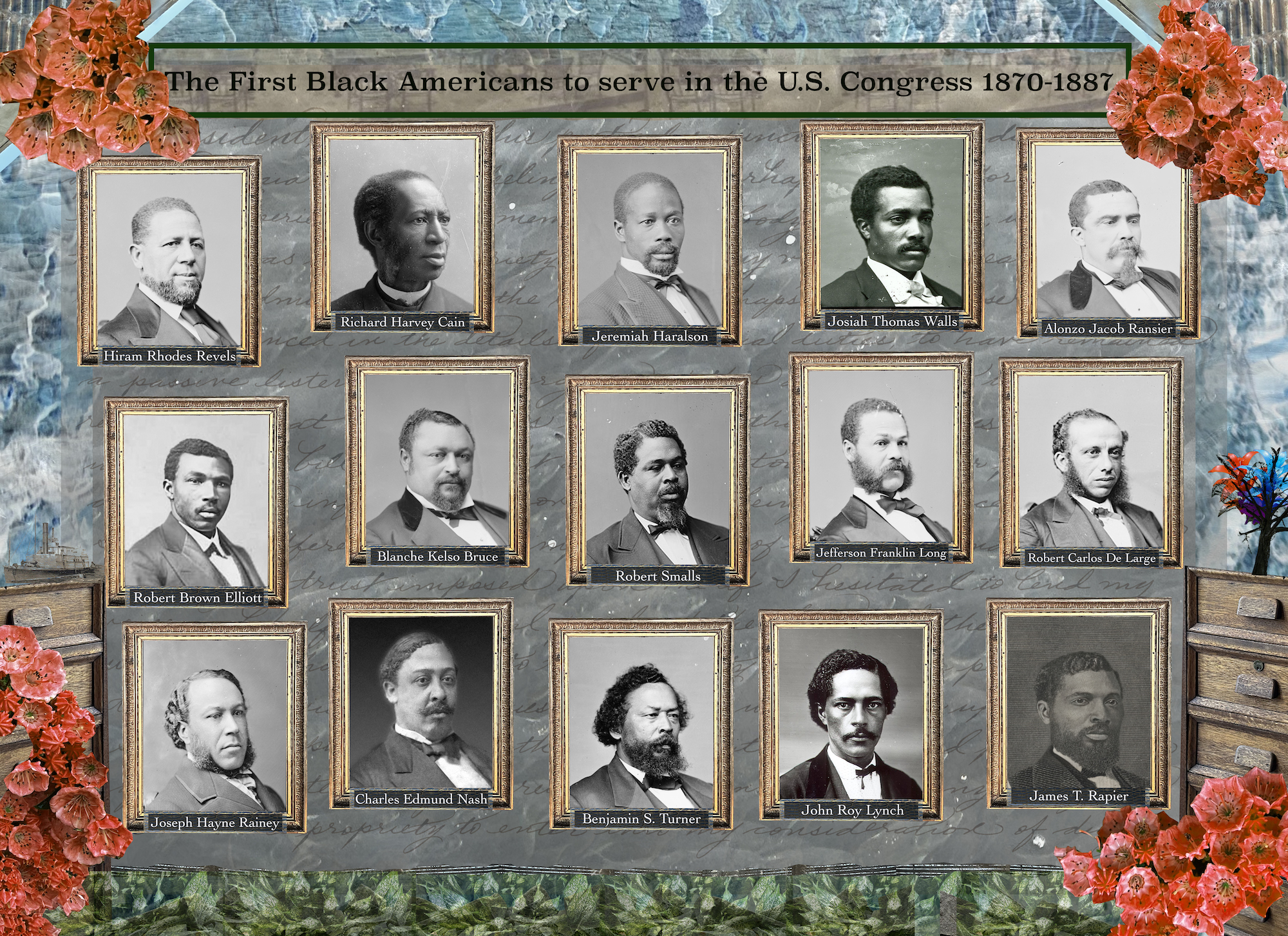
2023, The First Black Americans to serve in the U.S. Congress 1870-1887, digital collage
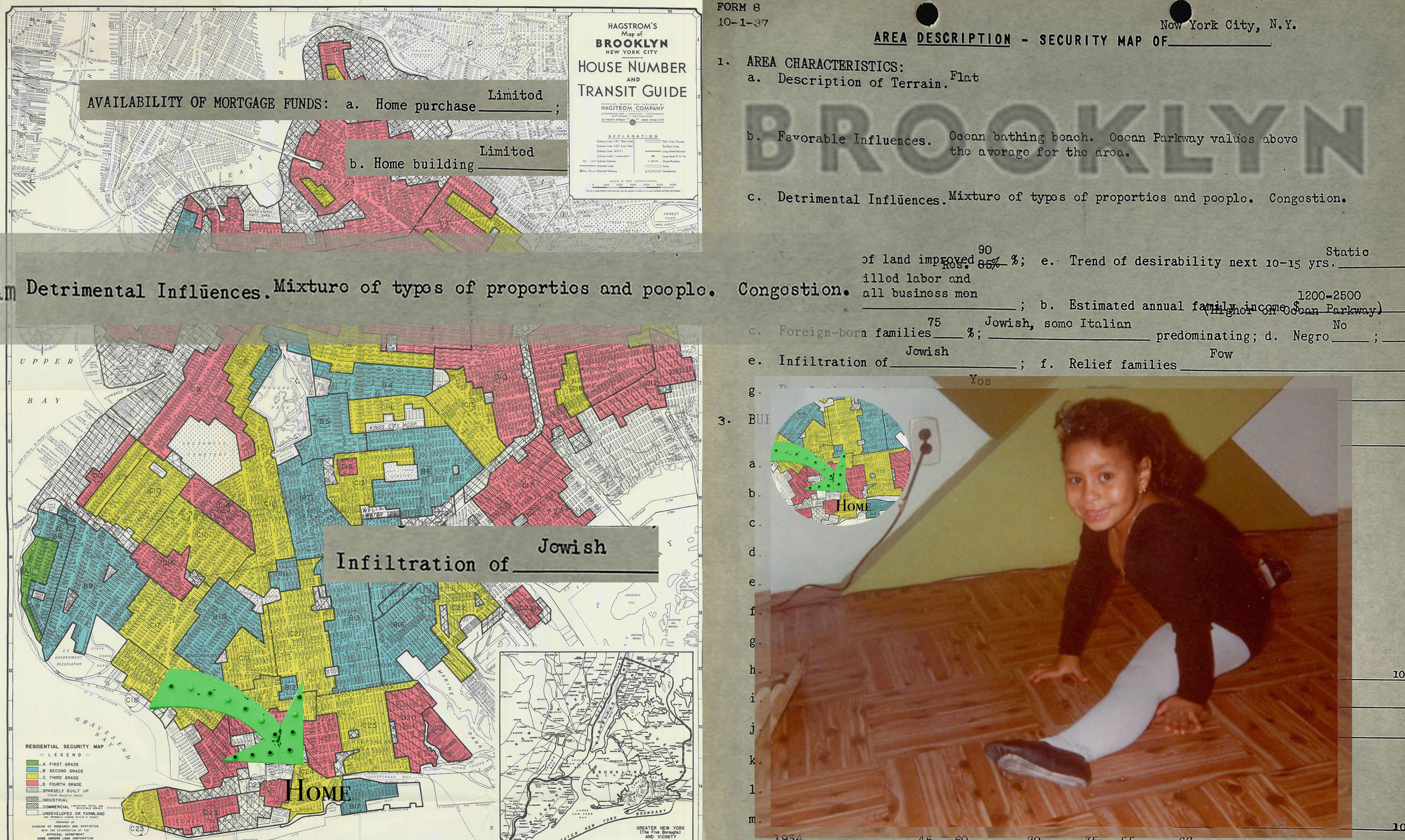
2023, Brooklyn, digital collage


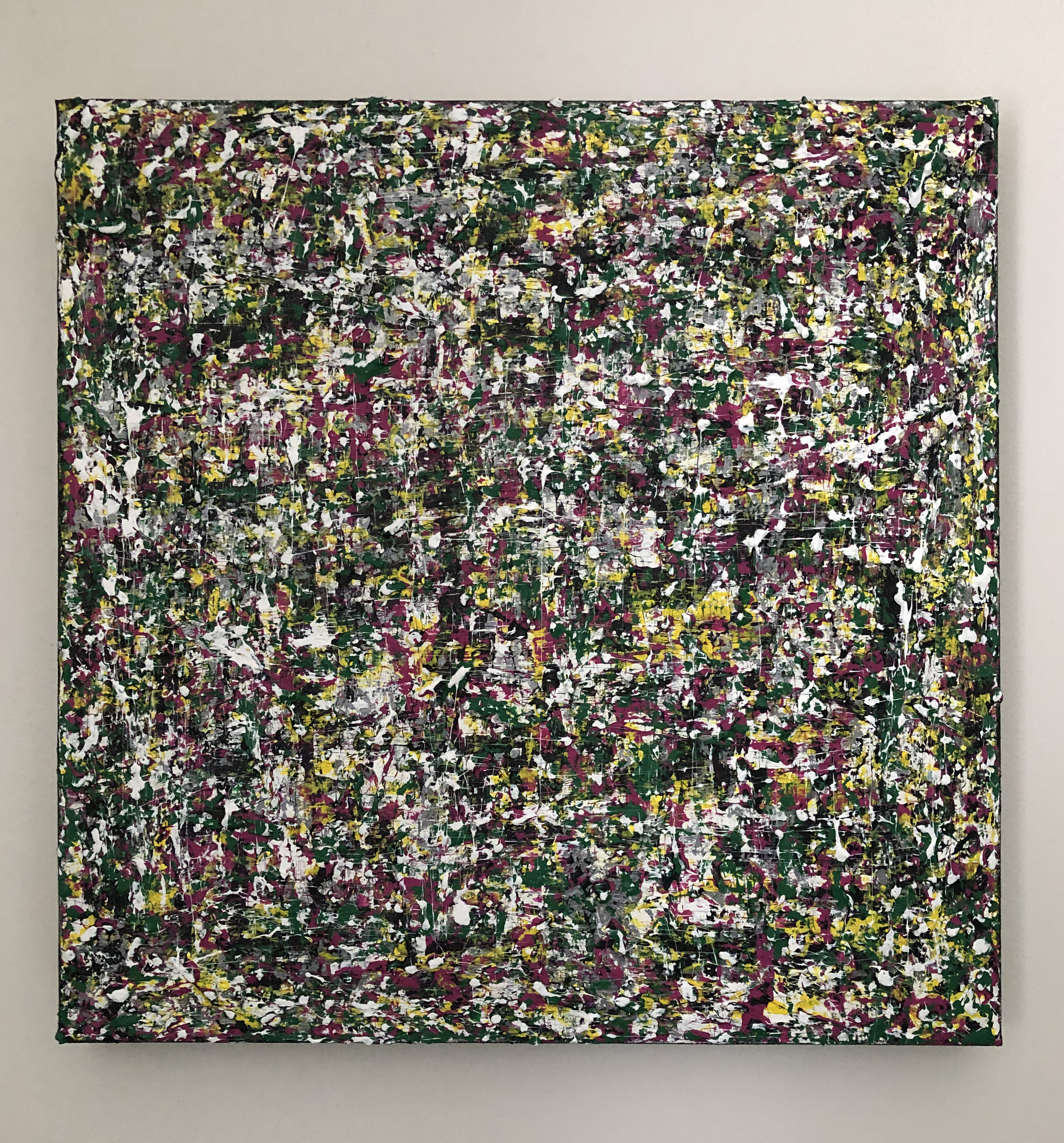
Playgrounds R 4 Us, 2023, acrylic on canvas, 16” x 16”

Sundown, 2023, acrylic on canvas, 22”x 28”
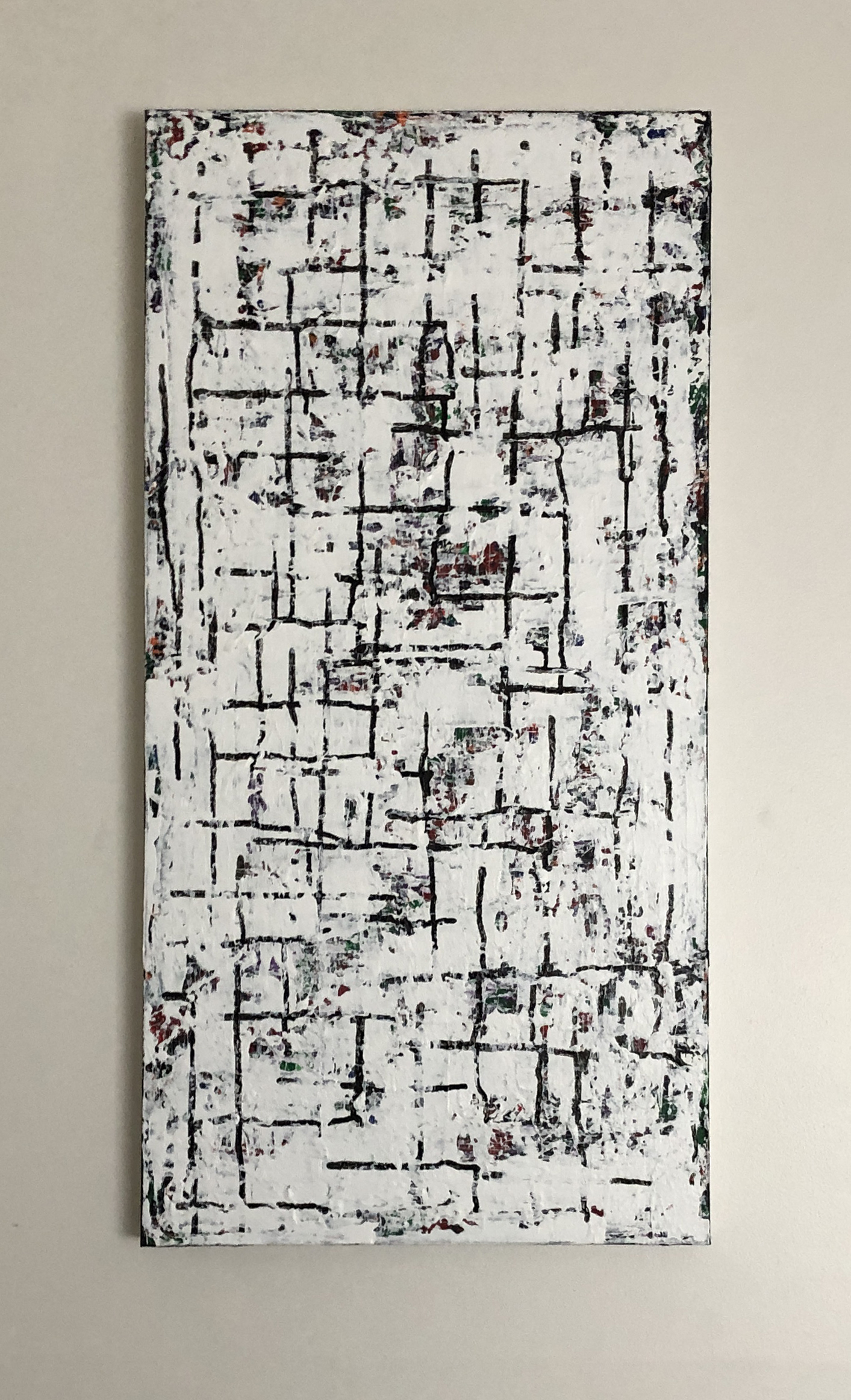
Fais Gaffe, 2020, acrylic on canvas, 18″ x 36″

Farmhouse, 2020, acrylic on unstretched canvas, 16″ – NFS

Wheel Lock, 2020, acrylic on panel, 10″ x 10″ – NFS

Pace, 2020, acrylic on canvas, 24″ x 20″

In Effect, 2020 acrylic on canvas, 12″ – NFS
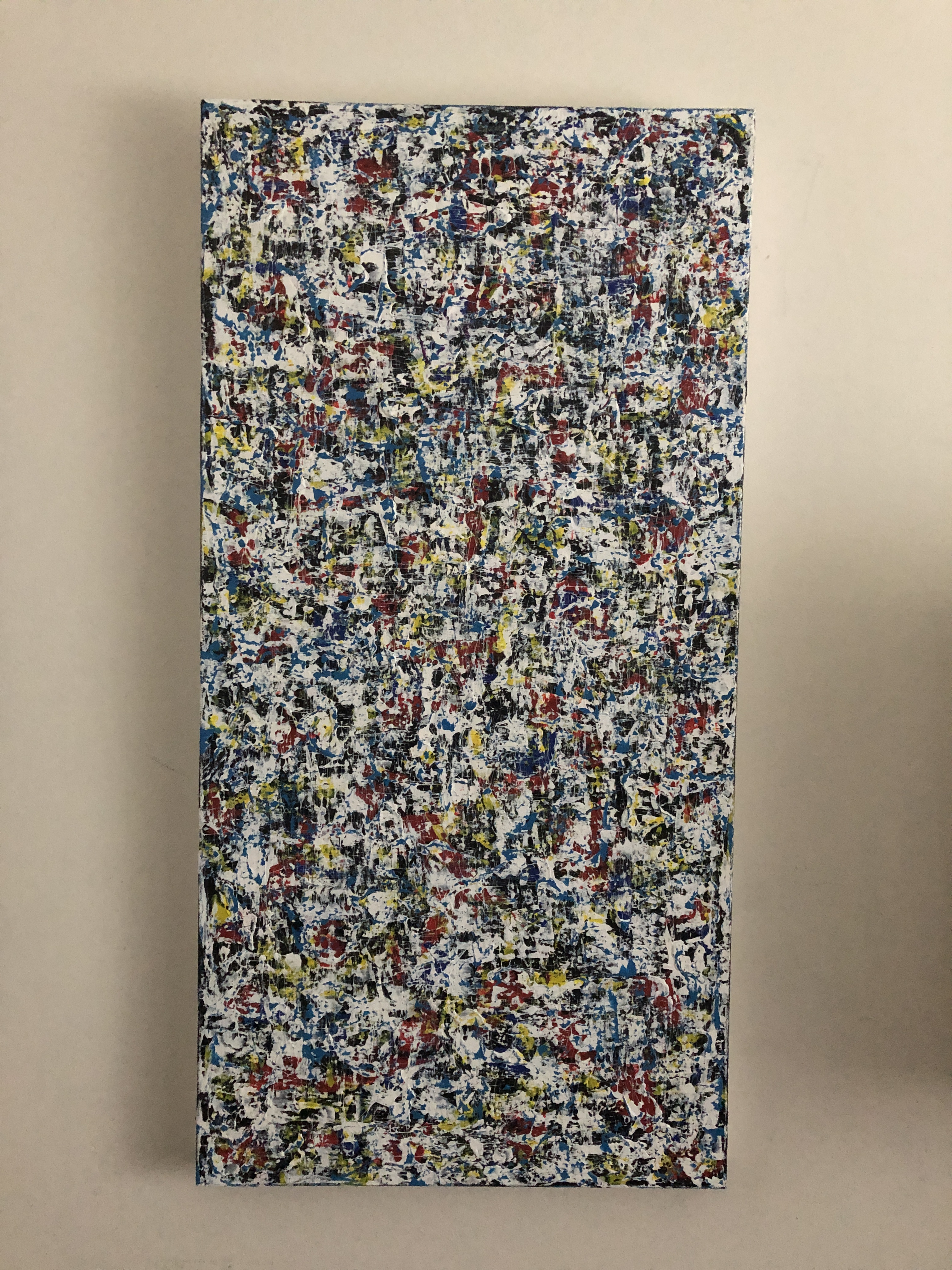
Top Eye Open, 2020, acrylic on canvas, 18″ x 36″

Love’s Paradise, 2018, acrylic on canvas, 30″ x 30″ – NFS
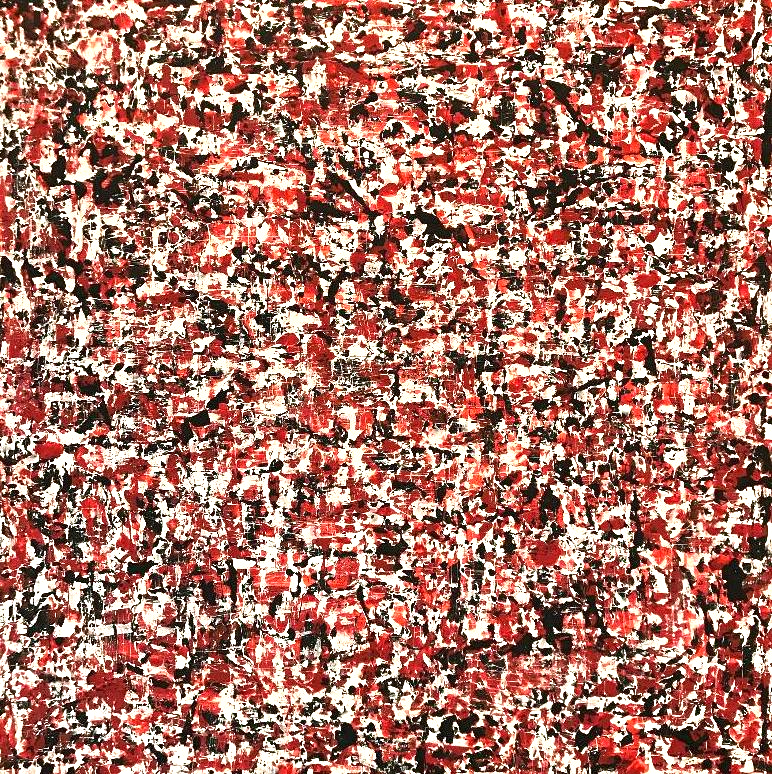
Law’s comfort, 2018, acrylic paint on canvas, 24” x 24” – NFS

Koko’s Watching, 2018, acrylic paint on canvas, 36” x 48” – NFS

Ain’t Down, 2018, acrylic paint on canvas, 20” x 24”
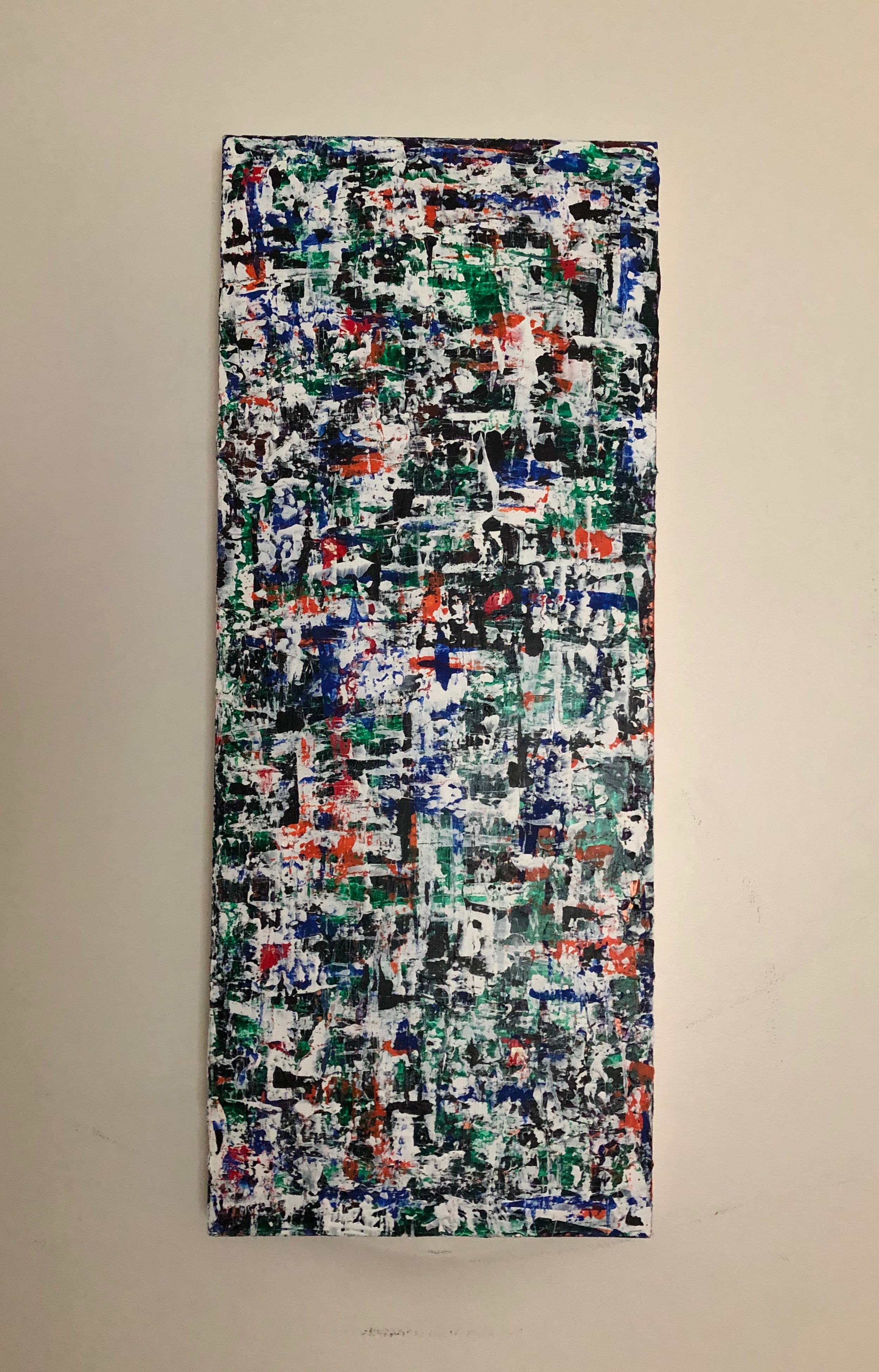
Compartments, 2018, acrylic on canvas, 12″ x 36″

Harlem’s Lullaby, 2018, oil and acrylic paint on canvas, 11” x 14” – NFS
 Long Way Home, 2018, acrylic paint on canvas, 30″ x 30″ – NFS
 Toni’s Lorain, 2018, ink on paper, 36” x 24”
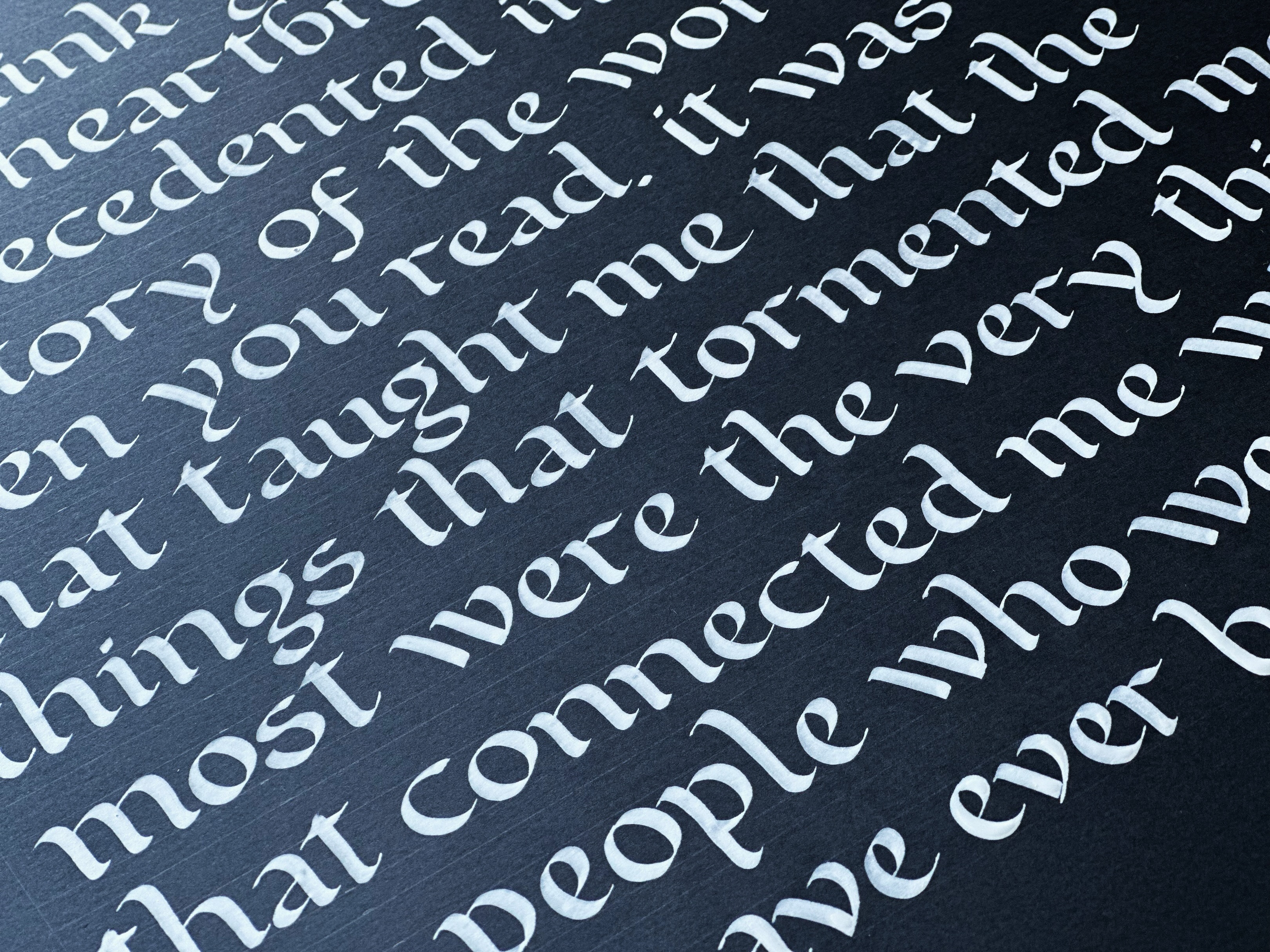
Cursive copy is an excerpt from a Toni Morrison interview on the Charlie Rose Show in 1993. Home Owners Loan Corporation (HOLC – founded 1933 – defunct 1954) map.
 Control, 2013, print on metal, 16″x 16″
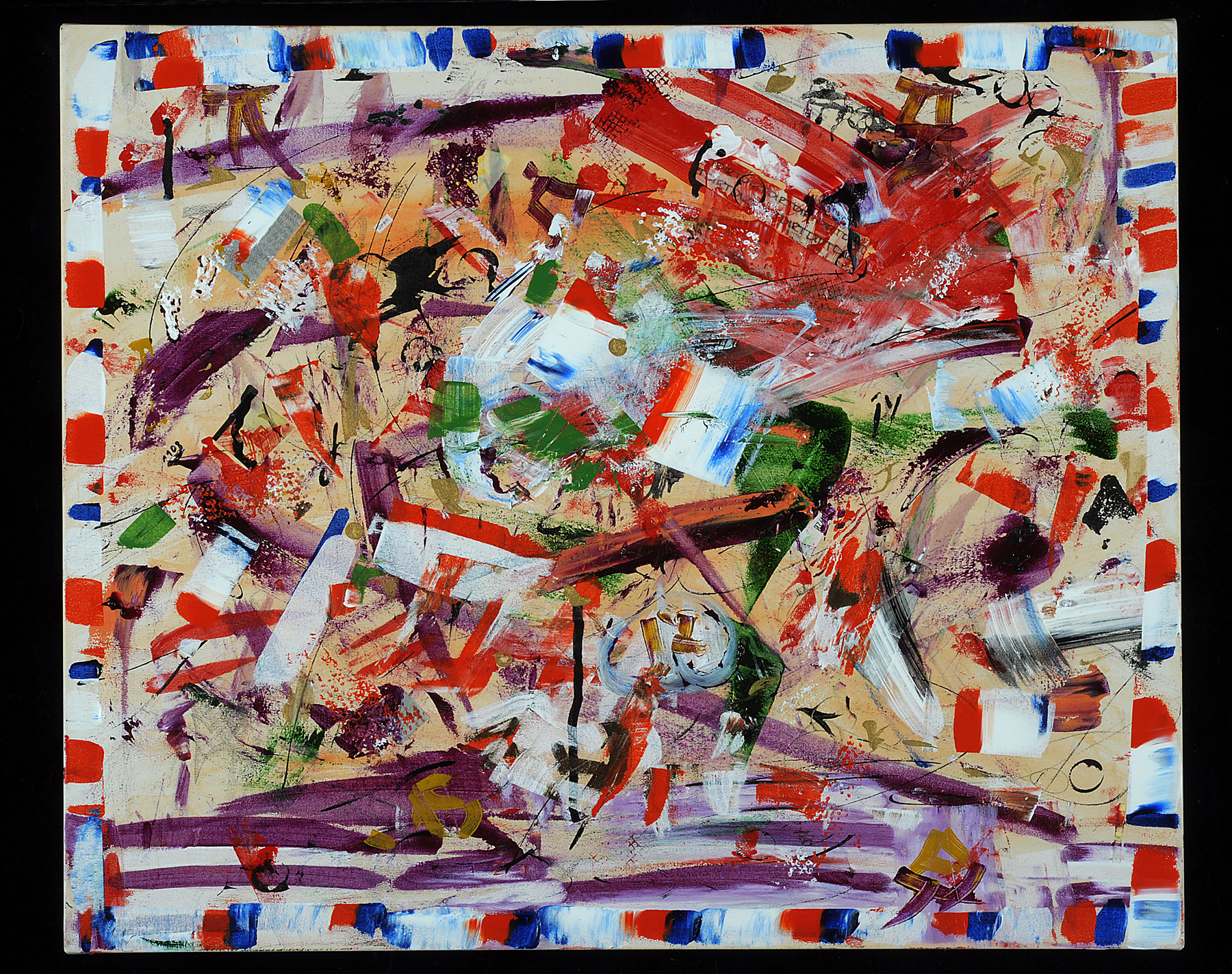 Our Beloved Pain, 2011, acrylic paint and ink on linen, 16″ x 20″
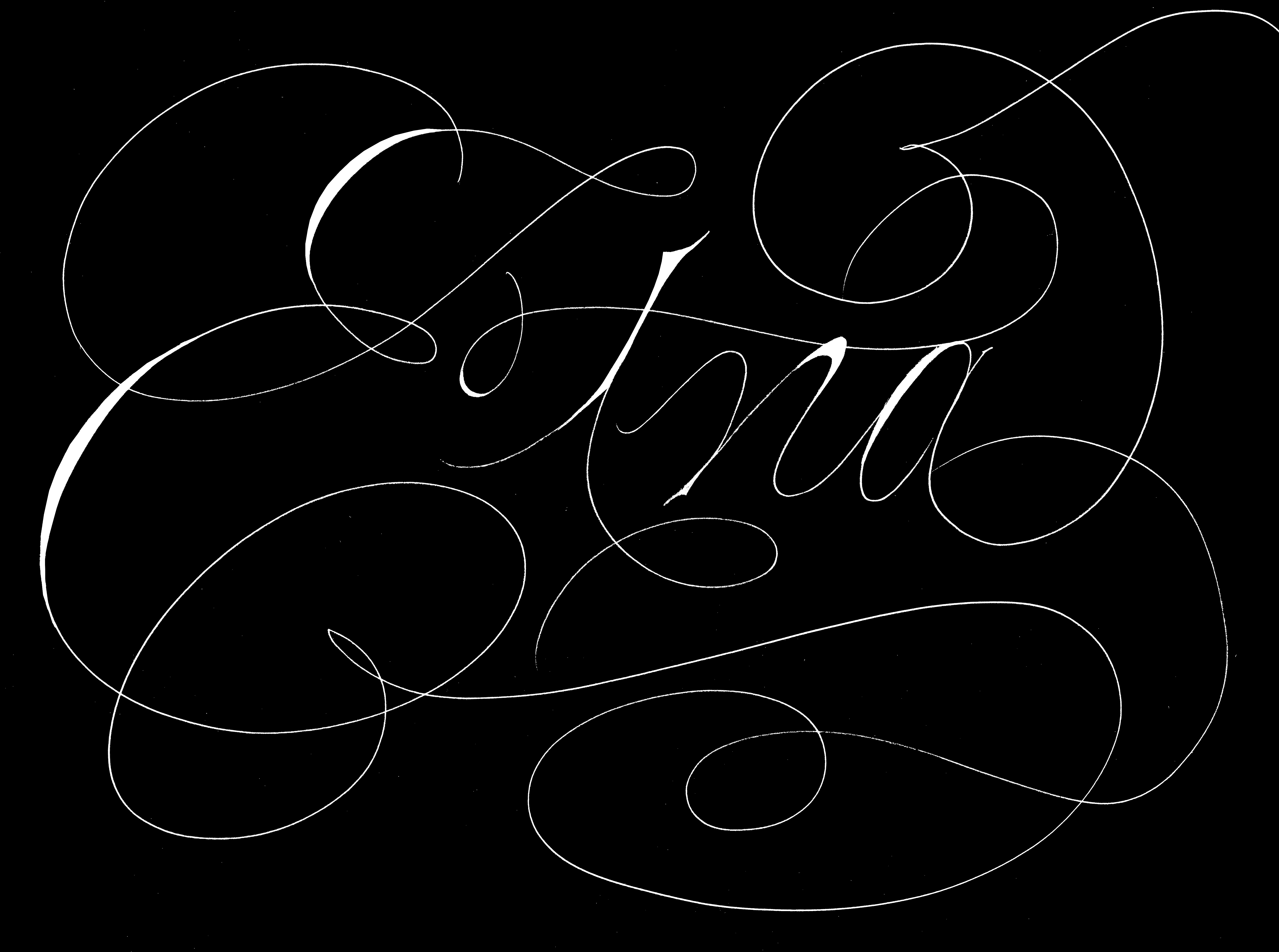 Etna, 2016, pointed pen flourished lettering
 Hello, 2016, photography © 2015 by Alice Hirschman
 No Sleep ‘Til, 2015, gouache on paper, 14″ x 22″
 Misha Bean, 2015, acrylic paint on canvas, 36″ x 36″
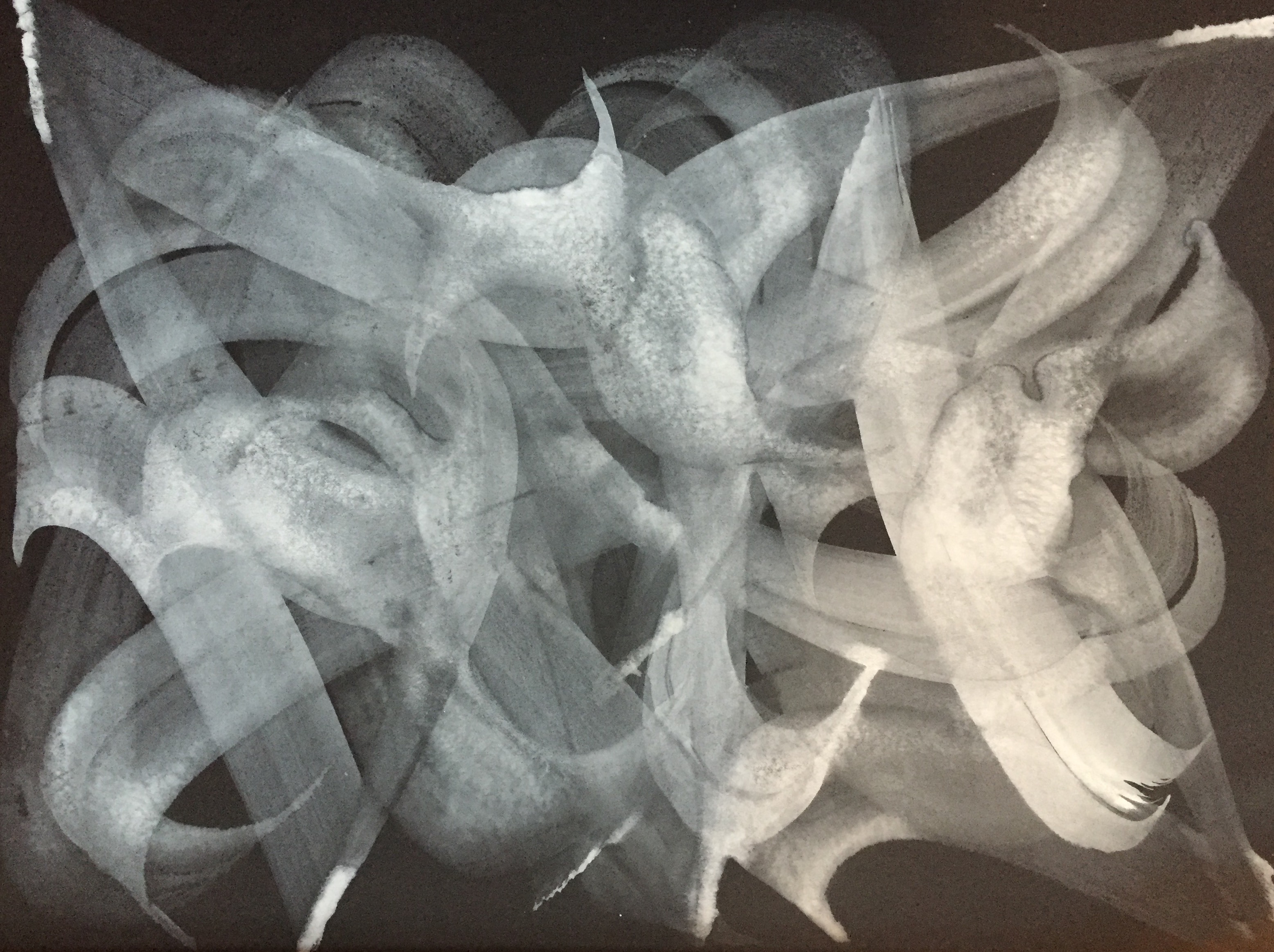 Our Depth, 2015,watercolor on paper, 12″ x 16″
 Zora, 2014, gouache, watercolor and ink on paper, 19-1/2″ x 25-1/2″, 49.53cm x 63.5cm
“She stood there until something fell off the shelf inside her” – Zora Neal Hurston
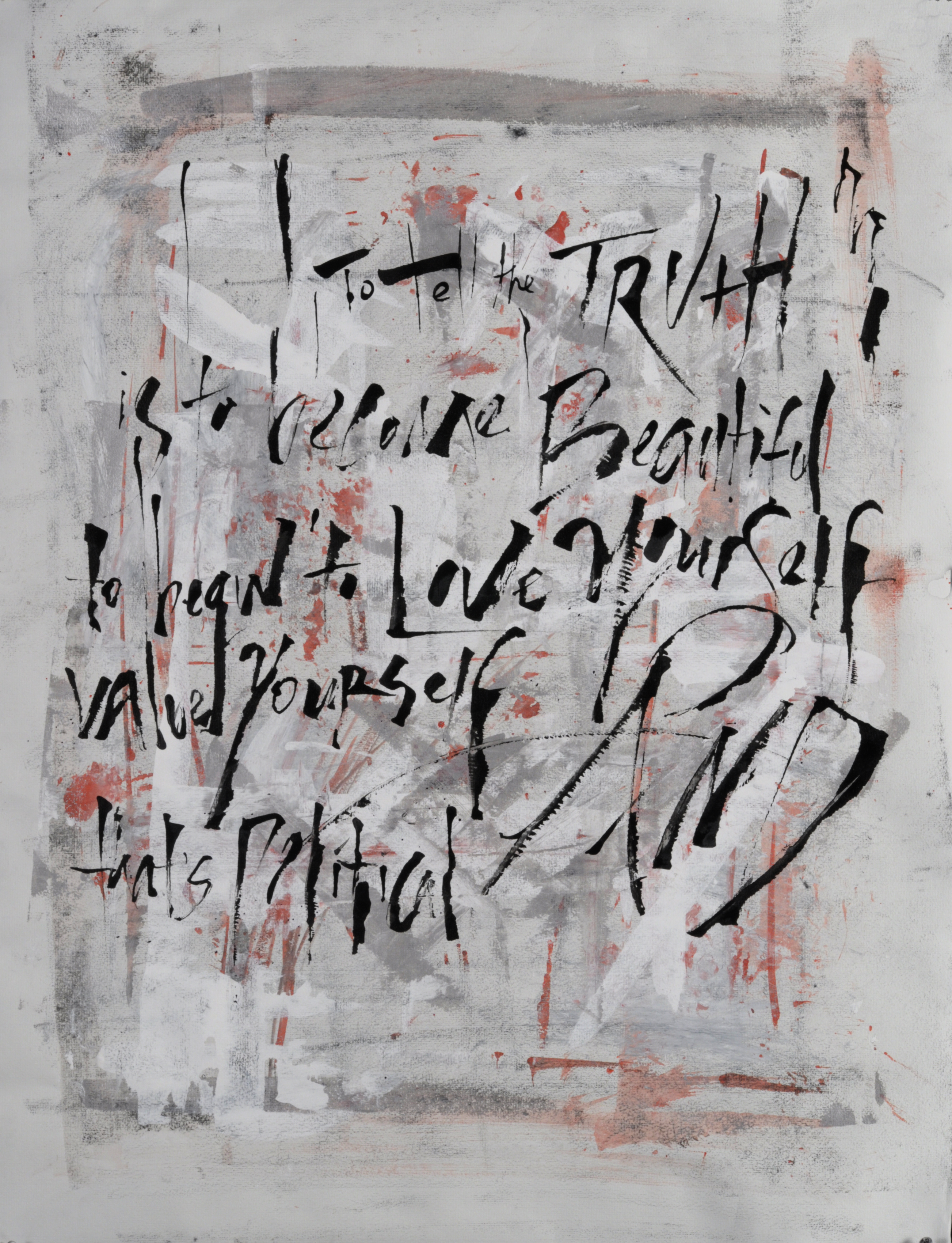
June, 2014, gouache, watercolor and ink on paper, 19-1/2″ x 25-1/2″, 49.53cm x 63.5cm
“To tell the truth is to become beautiful, to begin to love yourself, value yourself and that’s political.” – June Jordan
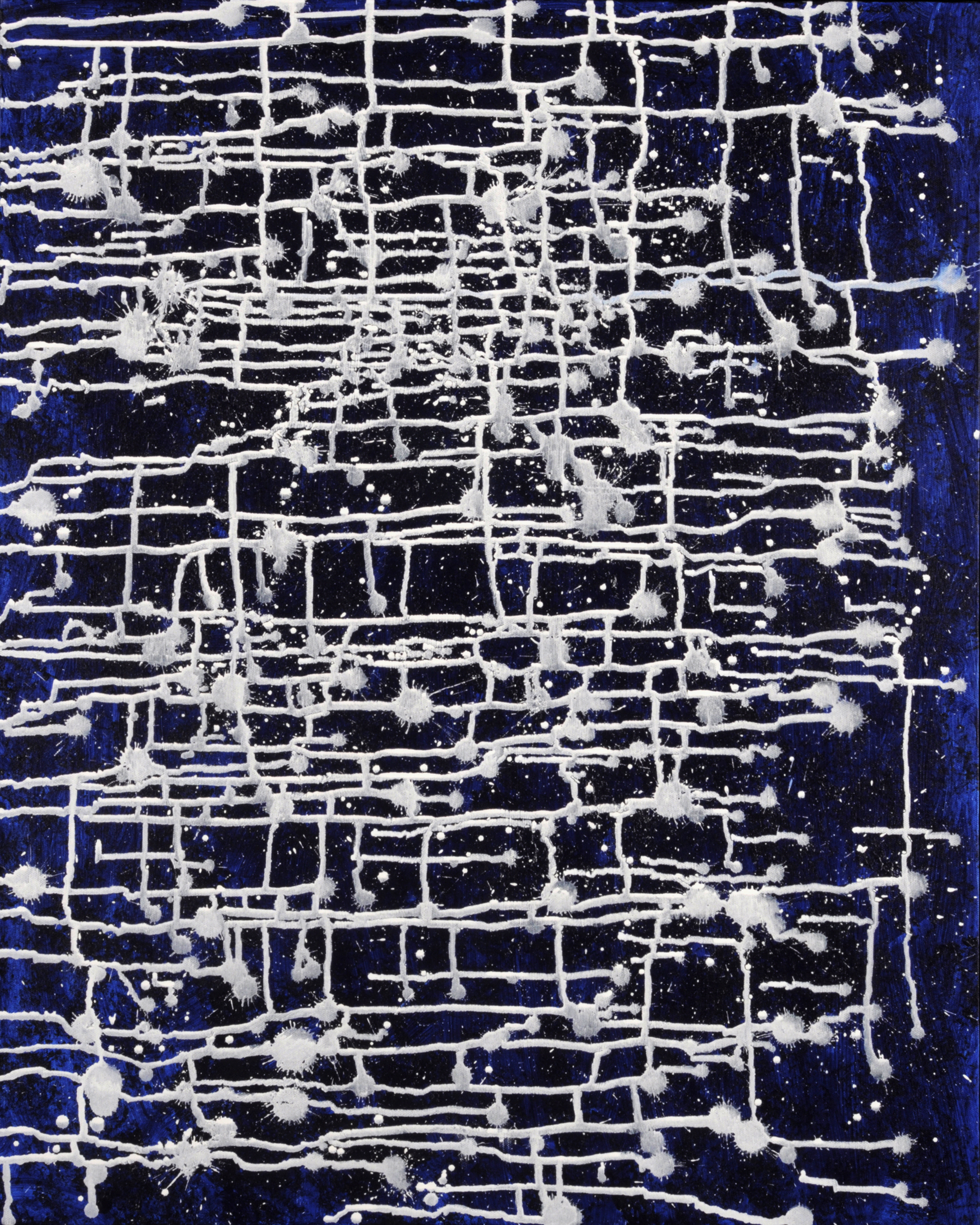 Road Map, 2014, acrylic and ink on canvas, 24″ x 30″, 61 cm x 76.2cm – NFS
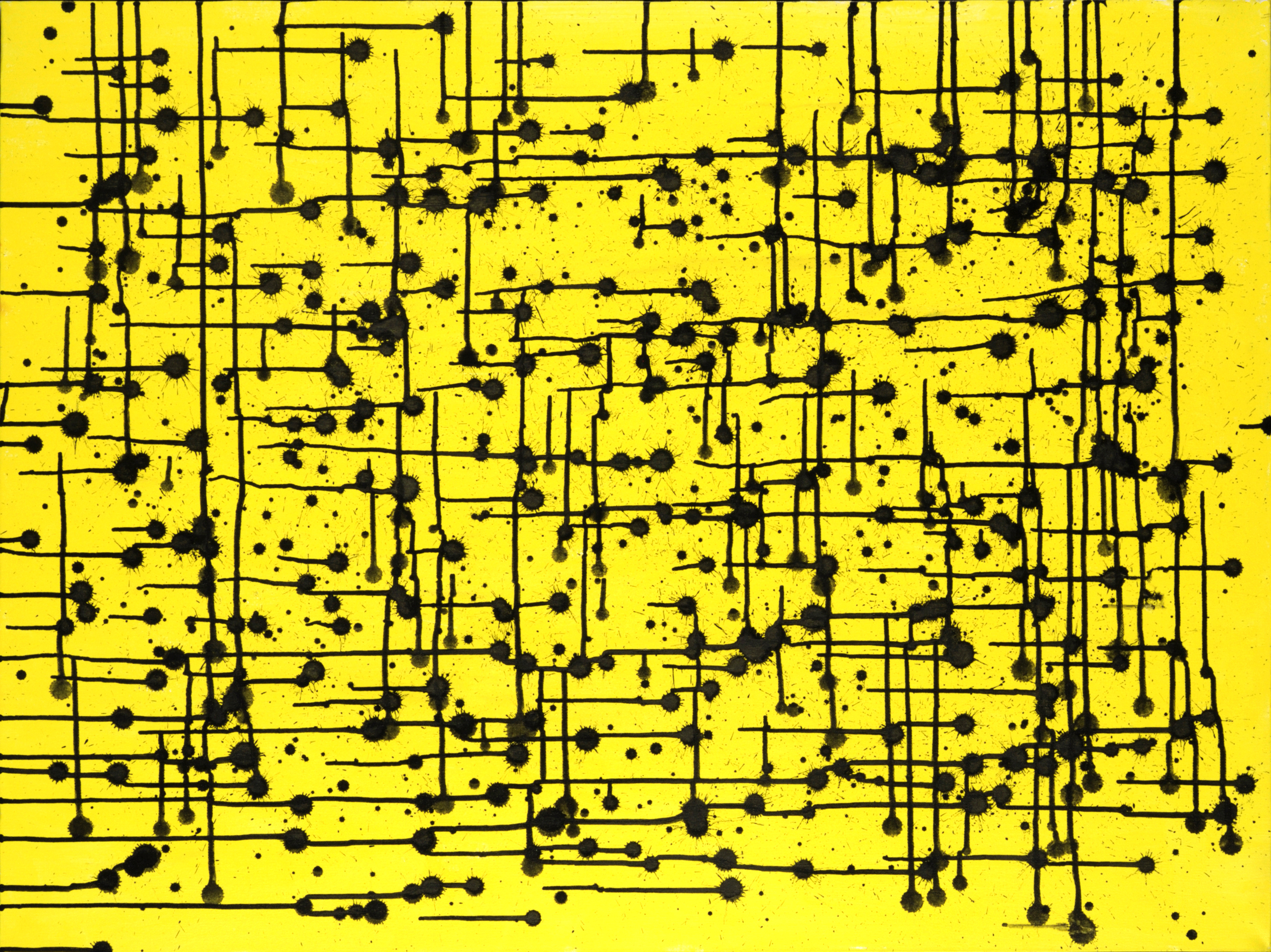 Sunspots, 2014, acrylic and ink on canvas, 30″ x 40″, 76.2cm x 101.6cm – NFS
 Cages, 2014, acrylic and ink on canvas, 24″ x 24″, 61cm x 61cm – NFS
 He Swims, 2014, acrylic and ink on canvas, 18″ x 18″, 45.7cm x 45.7cm – NFS
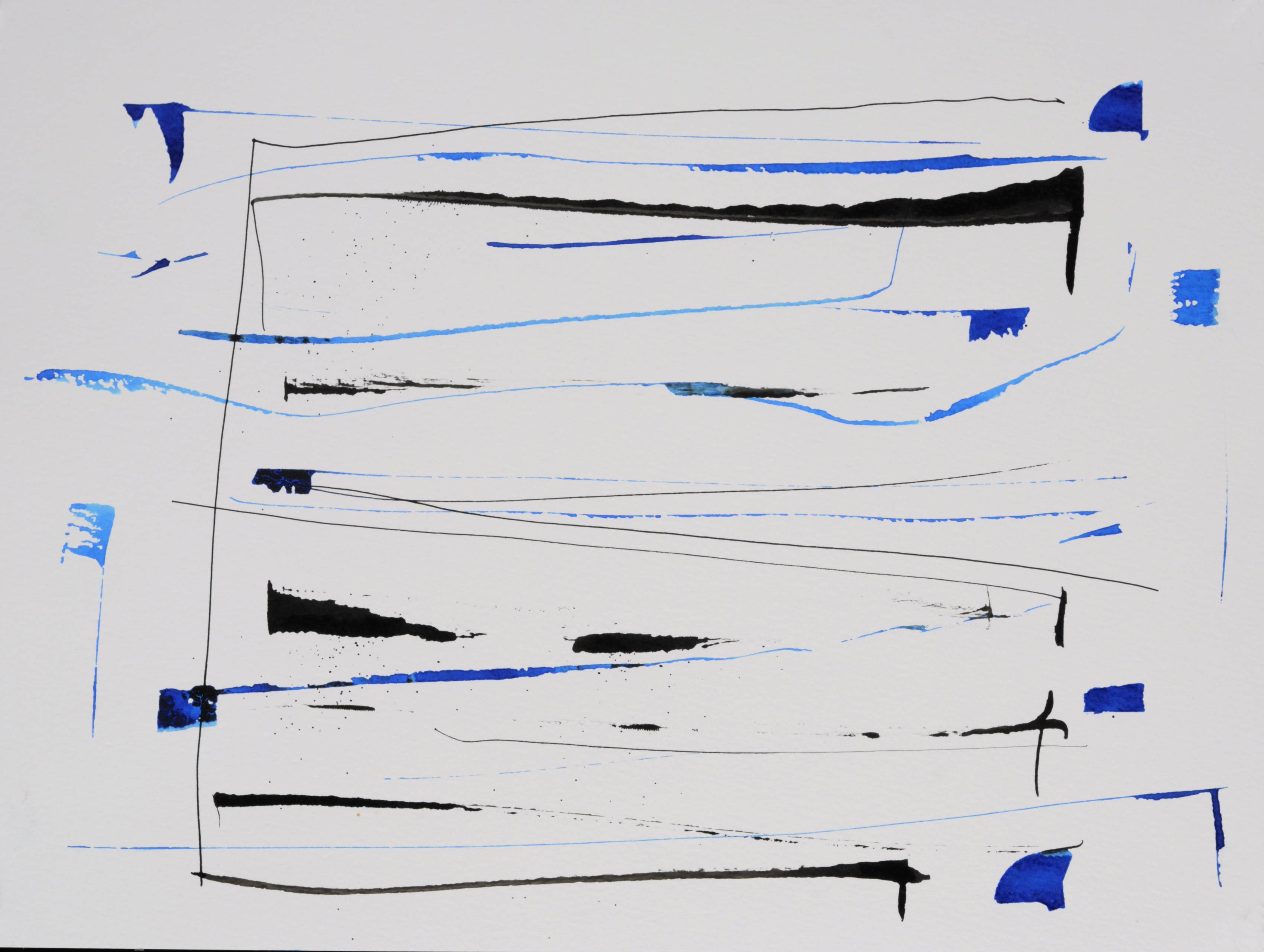 Our Sleep, 2014, gouache and sumi ink on paper, 12.5″ x 16.25″, 31.75cm x 41.27cm
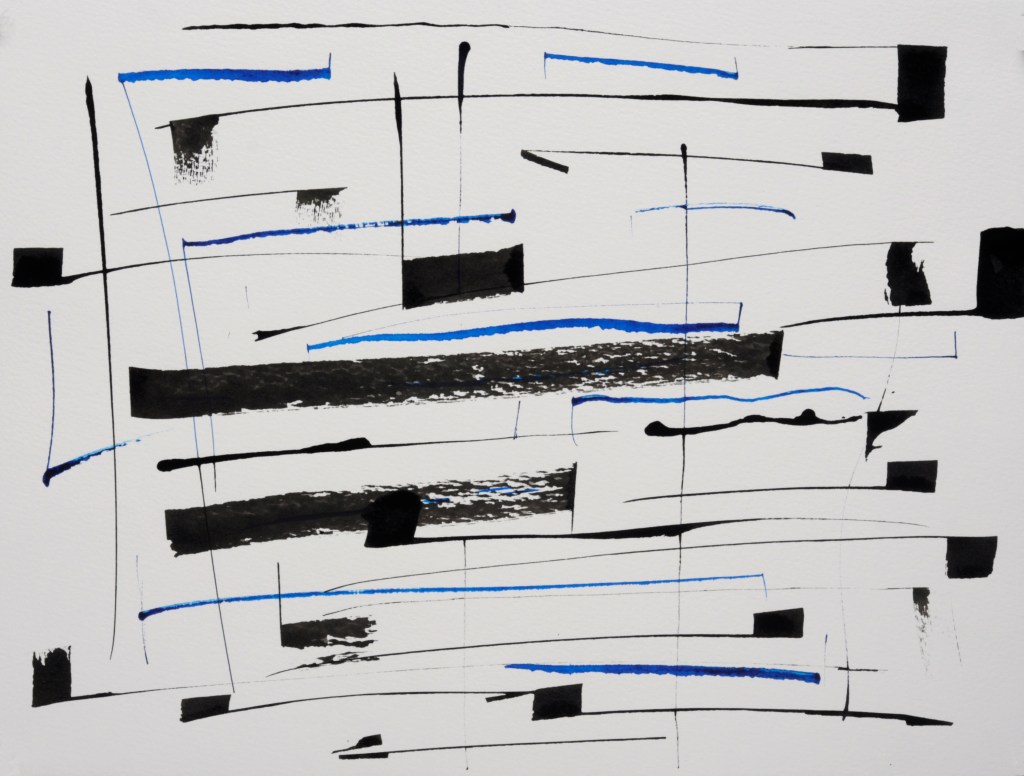 Our Beat, 2014, gouache and sumi ink on paper, 12.5″ x 16.25″, 31.75cm x 41.27cm
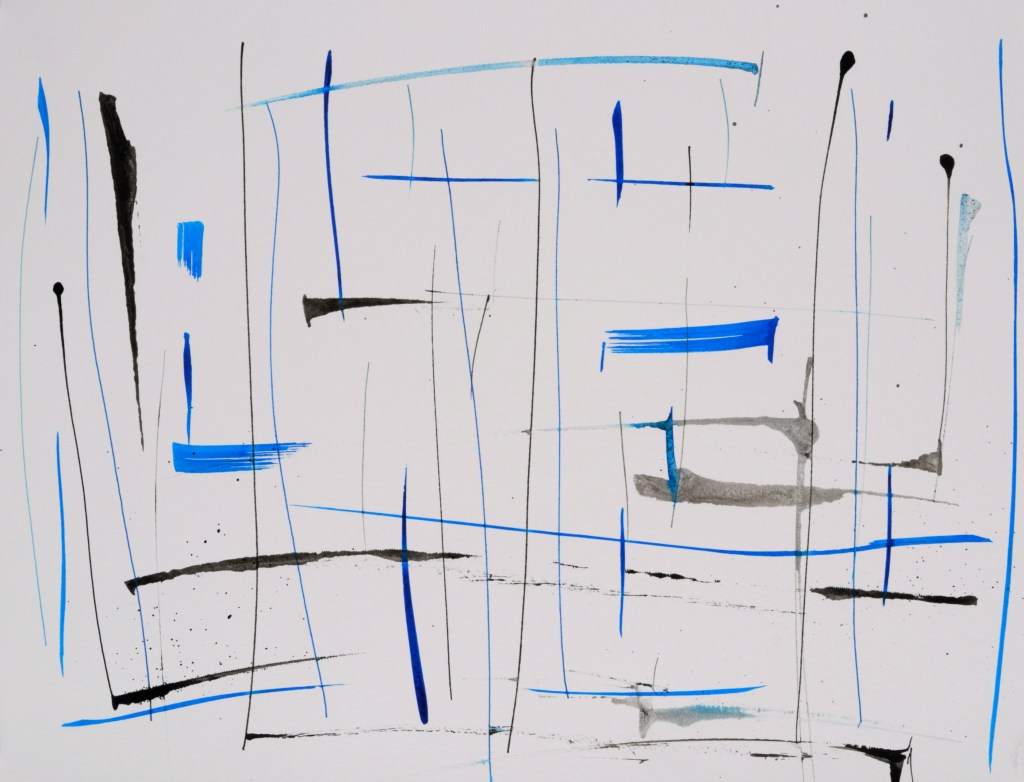 Our Love, 2014, gouache and sumi ink on paper, 12.5 x 16.25″, 31.75cm x 41.27cm
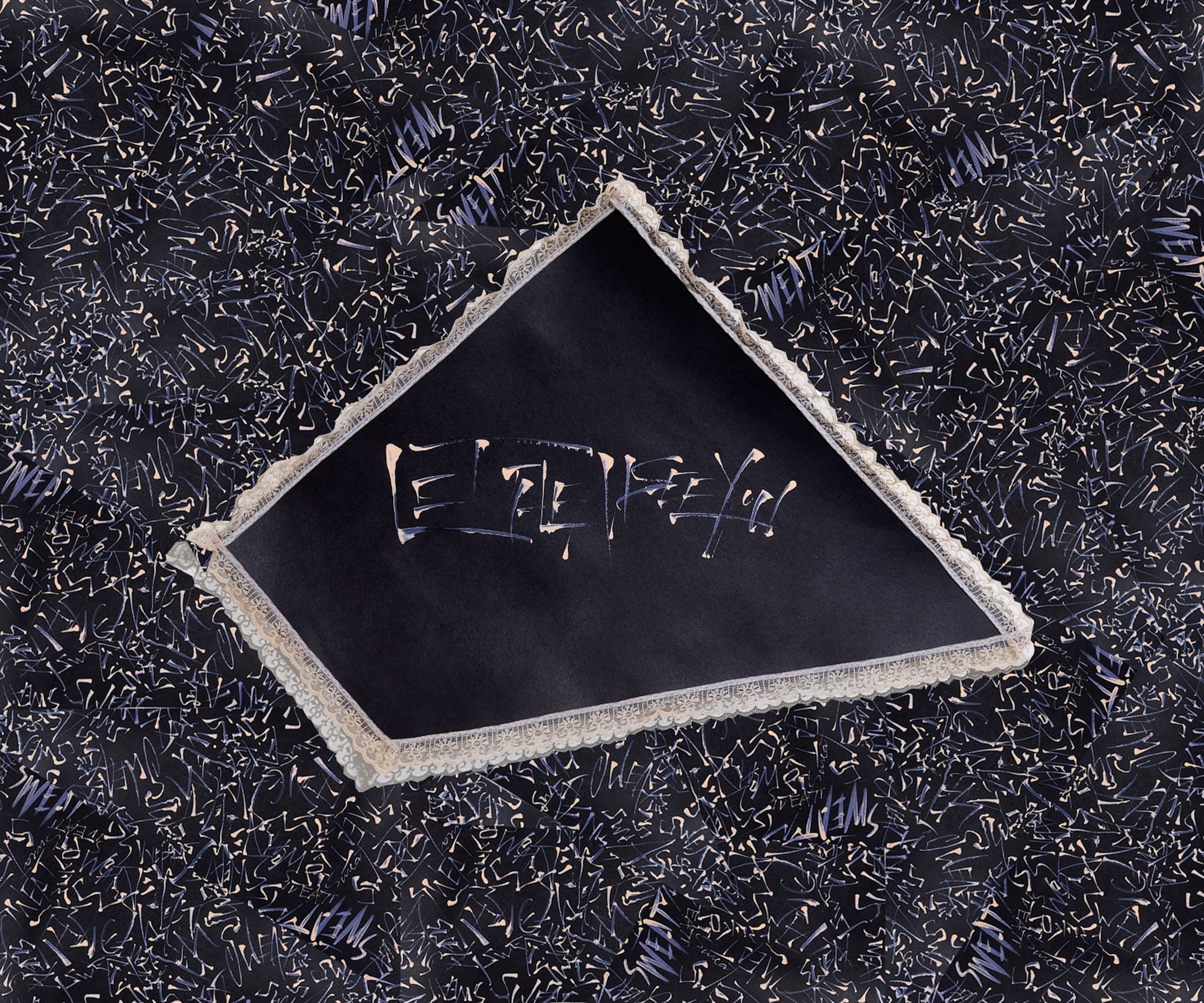 Let Them See You Sweat, 2013, Inkjet print, 19.7″ x 23.6″, 50 cm x 60 cm
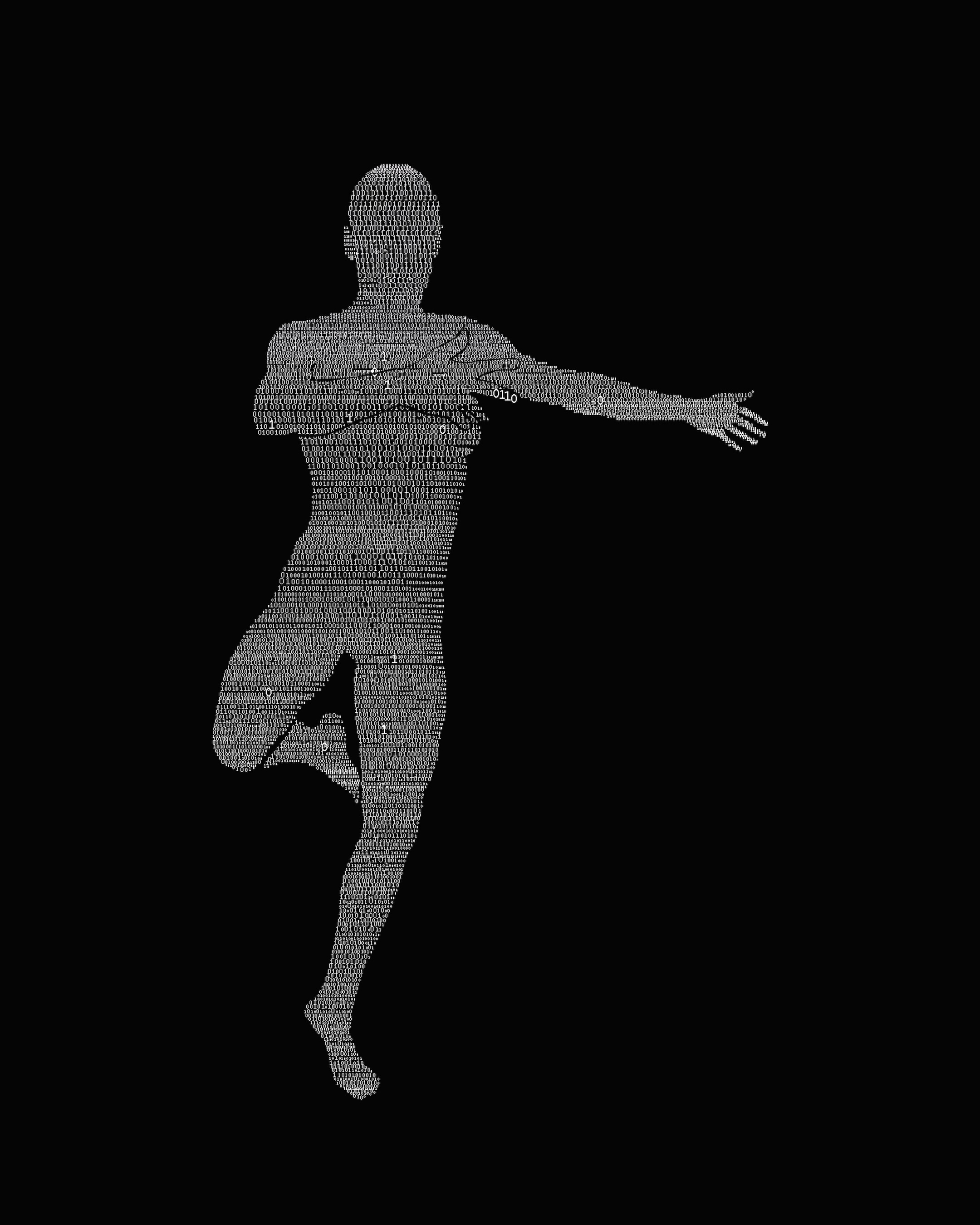 Decimal 6, 2013, C-print, 15.7″ x 19.7″, 40 cm x 50 cm

Hanging Words, 2013, metal, paper and safety pins, 11″ x 26″ x .5″ – 27.94 cm x 66.04 cm x 1.27 cm – NFS
 What drives us, 2013, gouache, ink, paper and vintage hard drive, 12″ diameter – 30.48 cm diameter – NFS
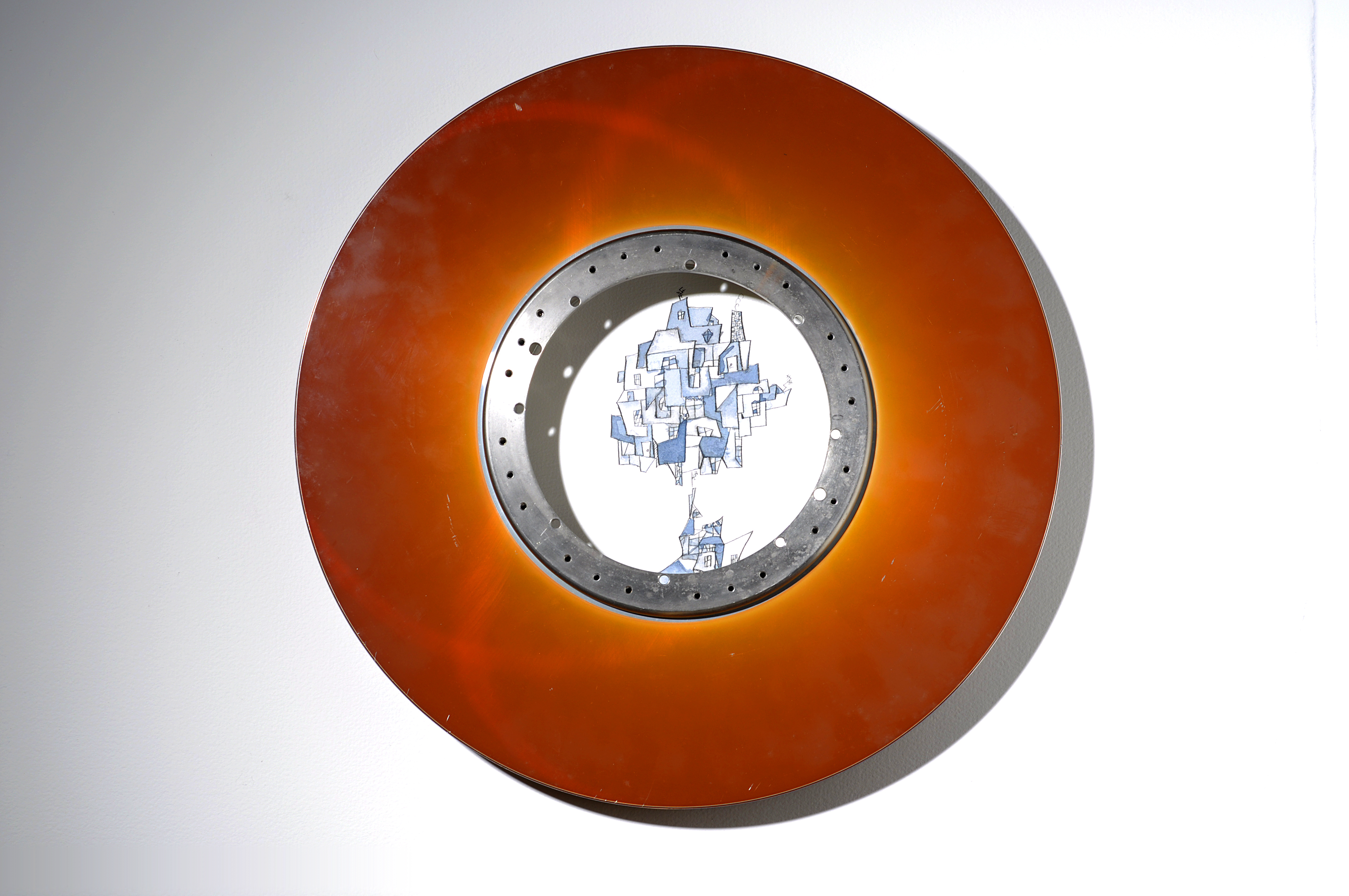 What drives you, 2013, gouache, ink, paper and vintage hard drive, 12″ diameter – 30.48 cm diameter
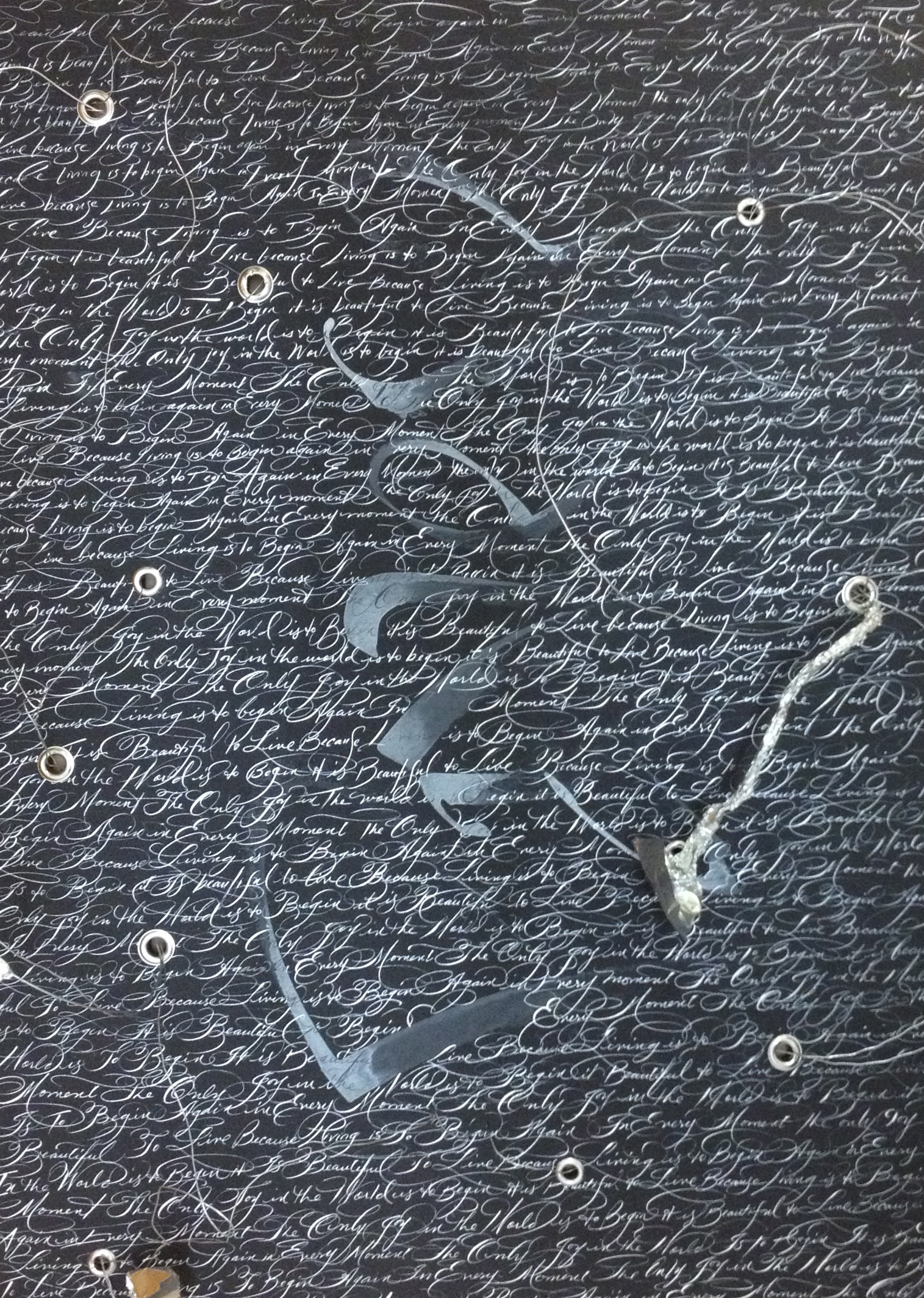
This silver lining needs refining (in collaboration with Hugh Rennison) , 2013 , metal grommets, gouache, wire, card, 16.5″ x 23.2″ – 42 cm x 59.4 cm
The copy is a quote by Italian writer and poet Cesare Pavese and reads “The only joy in the world is to begin. It is beautiful to live because living is to begin again in every moment.”
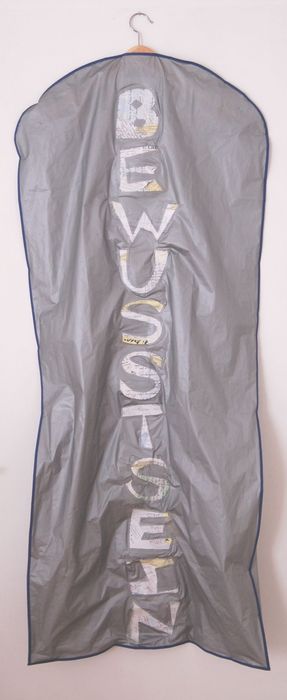
Bewusstsein, 2013, vinyl, paper, discarded handwritten notes, wood and metal, 23.2″ x 57.8″ – 59.69 cm x 147.32 cm
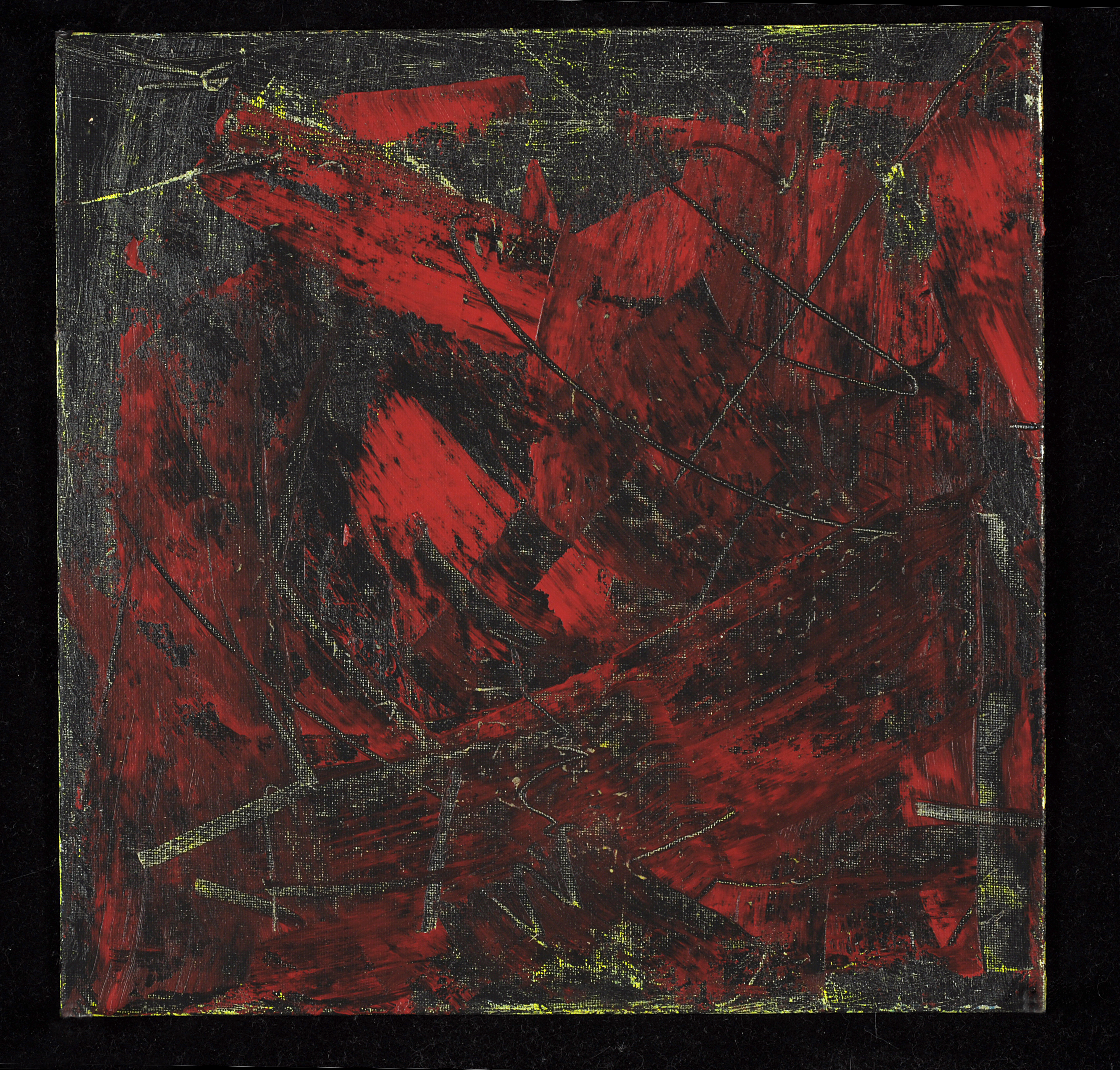 Escape, 2012, acrylic paint on canvas board, 12″ x 12″ – 30.48 cm x 30.48 cm
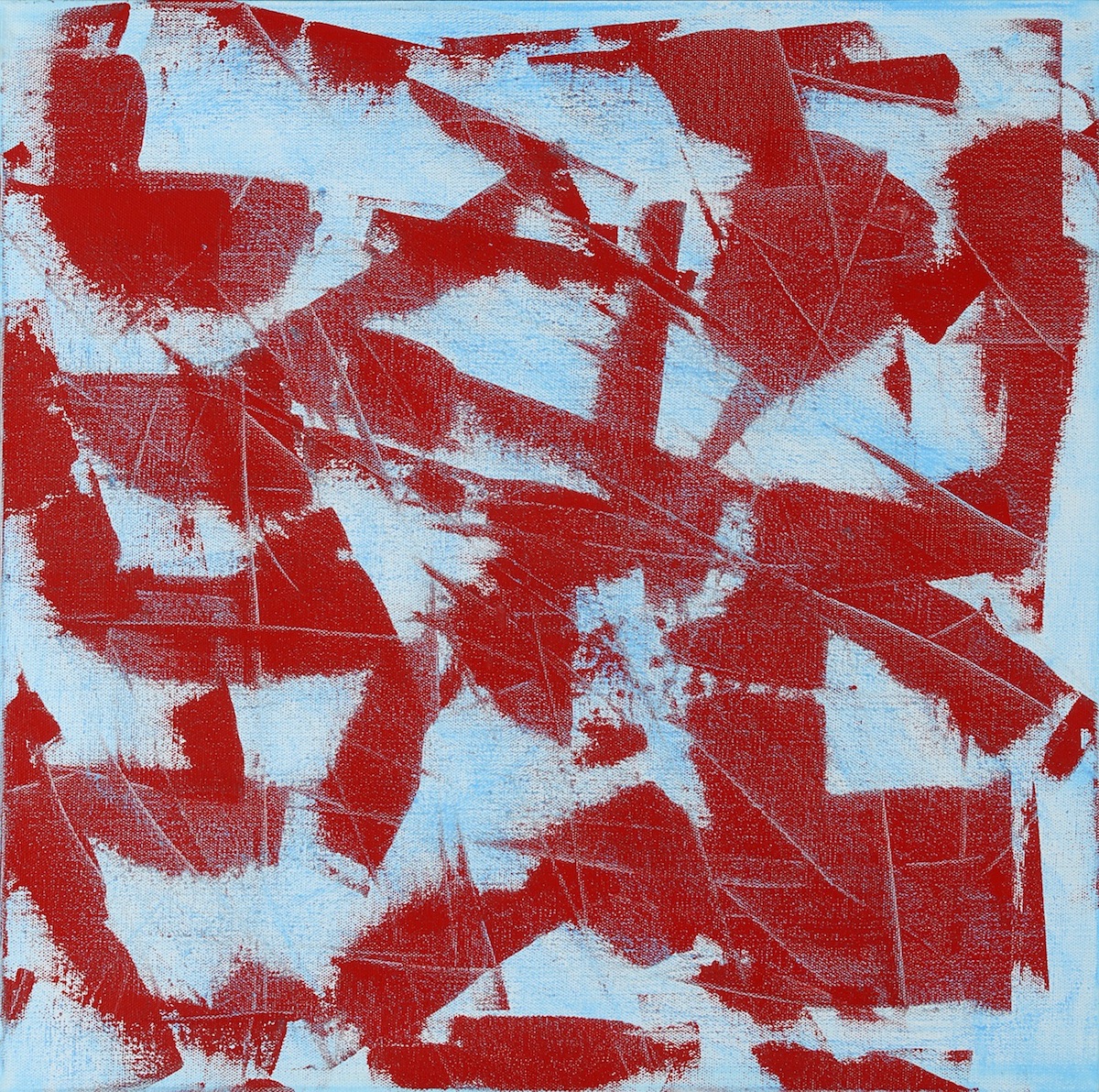 Kneel, 2012, acrylic and oil pastels on canvas, 20″ x 20″ – 50.8 cm x 50.8 cm – NFS
 Our Sunny View, 2012, spray paint and acrylic paint on cardboard, 26″ x 32″ – 66.04cm x 81.28 cm, NFS
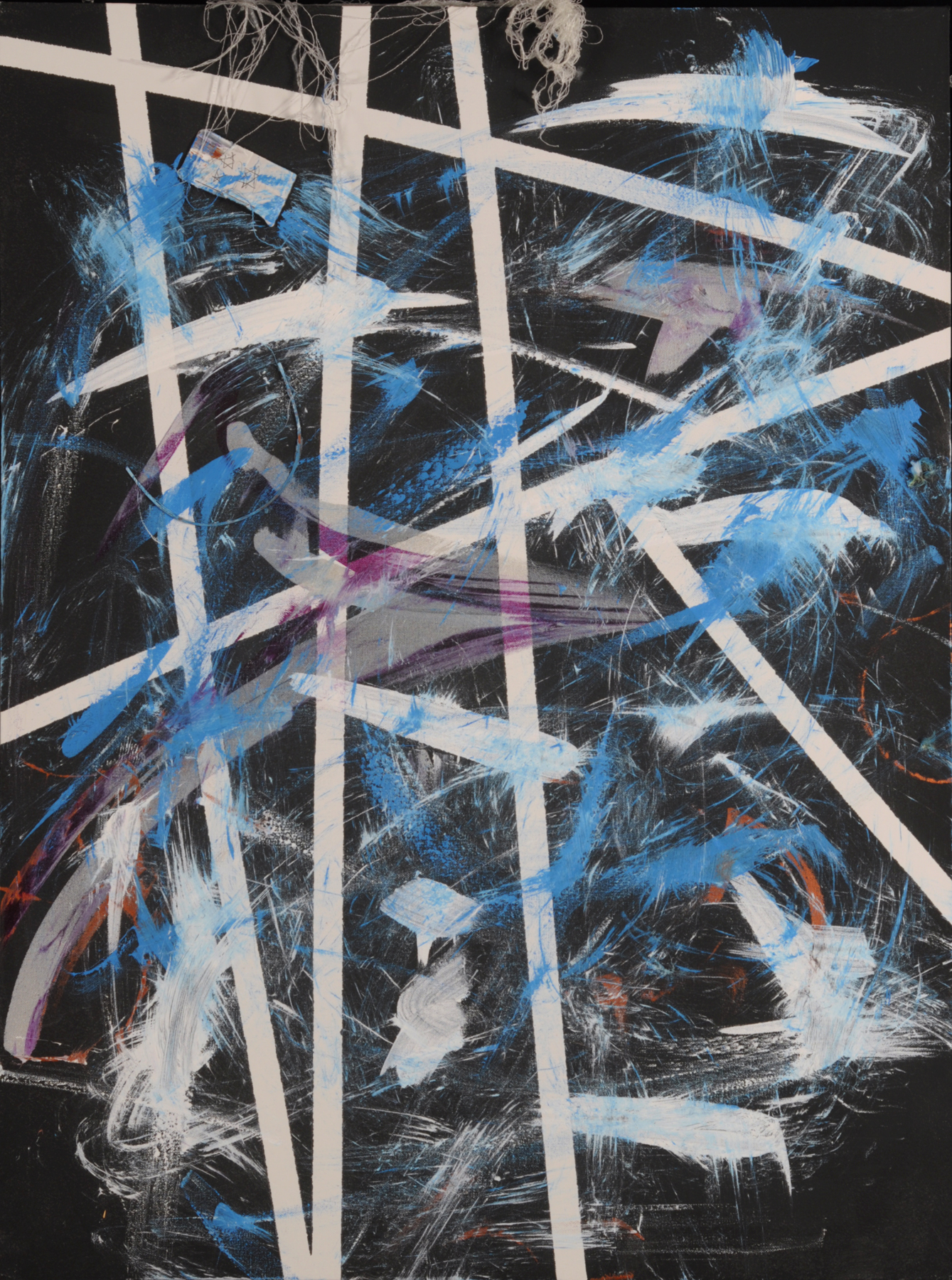
Shattered, 2012, acrylic paint, paper, ink, string, wire on canvas, 36″ x 48″ – 91.44 cm x 121.92 cm – NFS
 Going Where?, 2012, metal and wood, 15″ x 11″ x 12″ – NFS
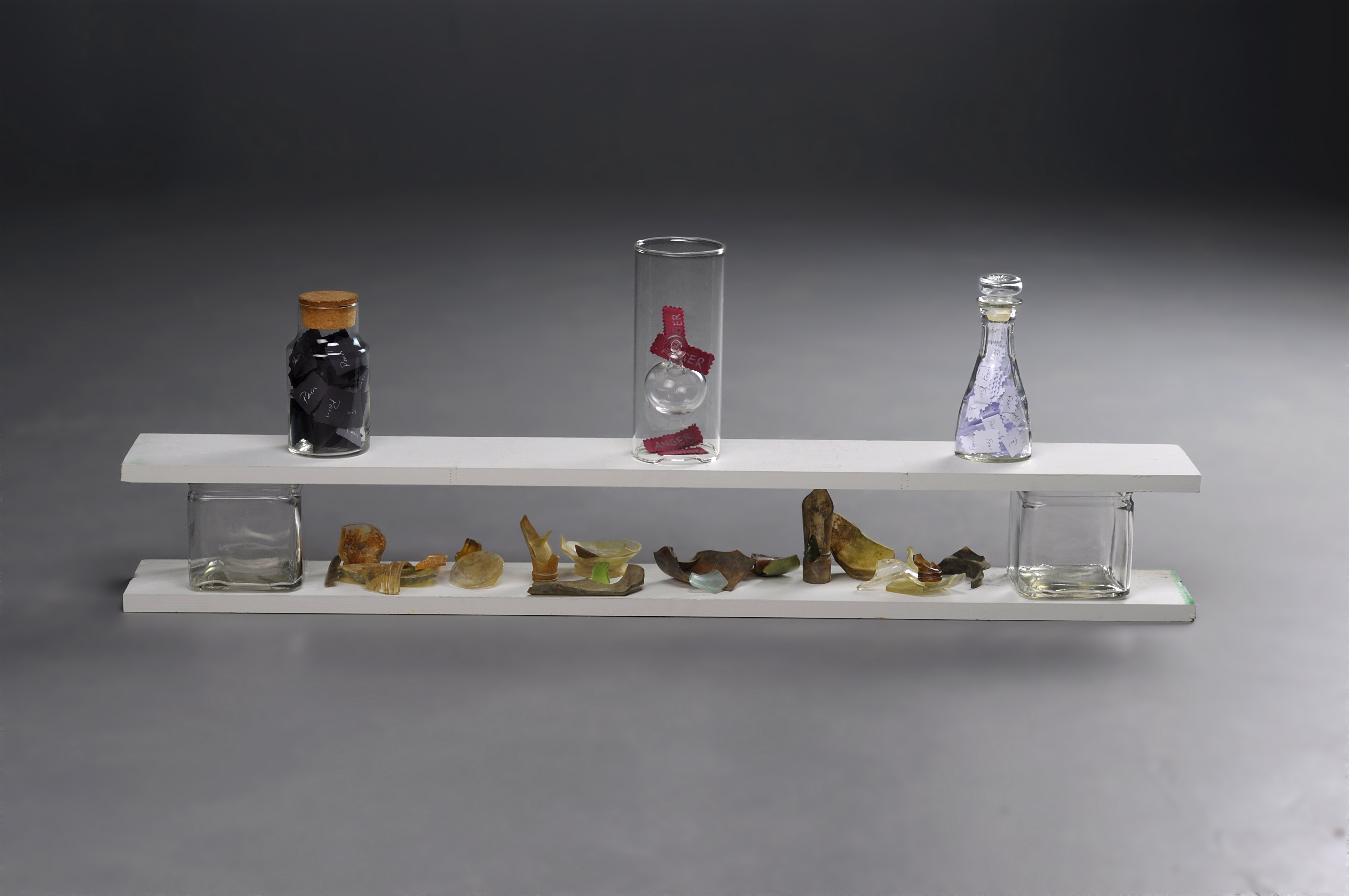 Contained, 2012, wood, glass, paper and textile, 48″ x 20″ x 6″ – NFS
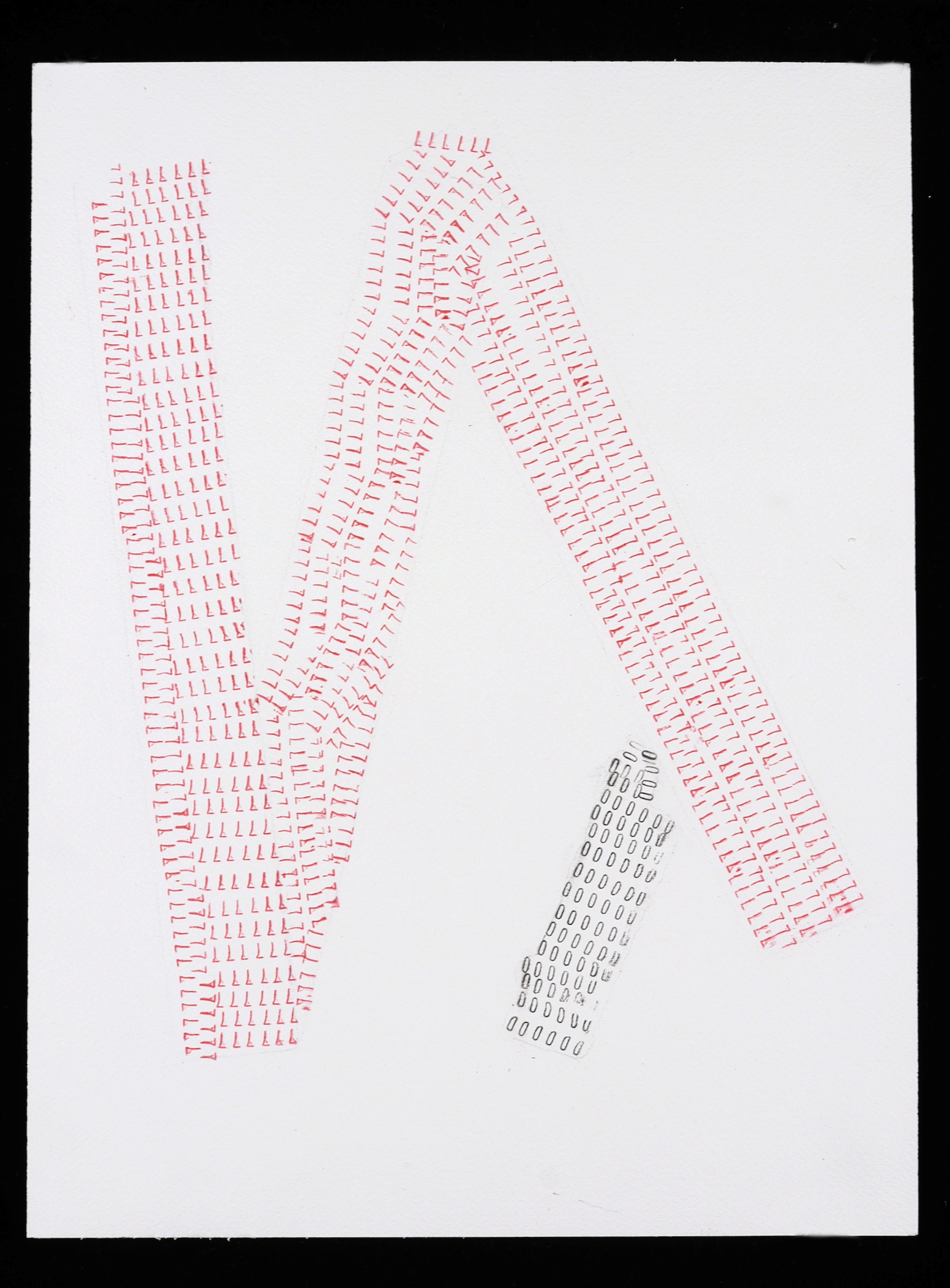
A Husband and His wife, 2011, ink on paper, 14″ x 17″ – 35.6cm x 43.2cm
 A Love Affair, 2011, ink on paper, 14″ x 17″ – 35.6cm x 43.2cm
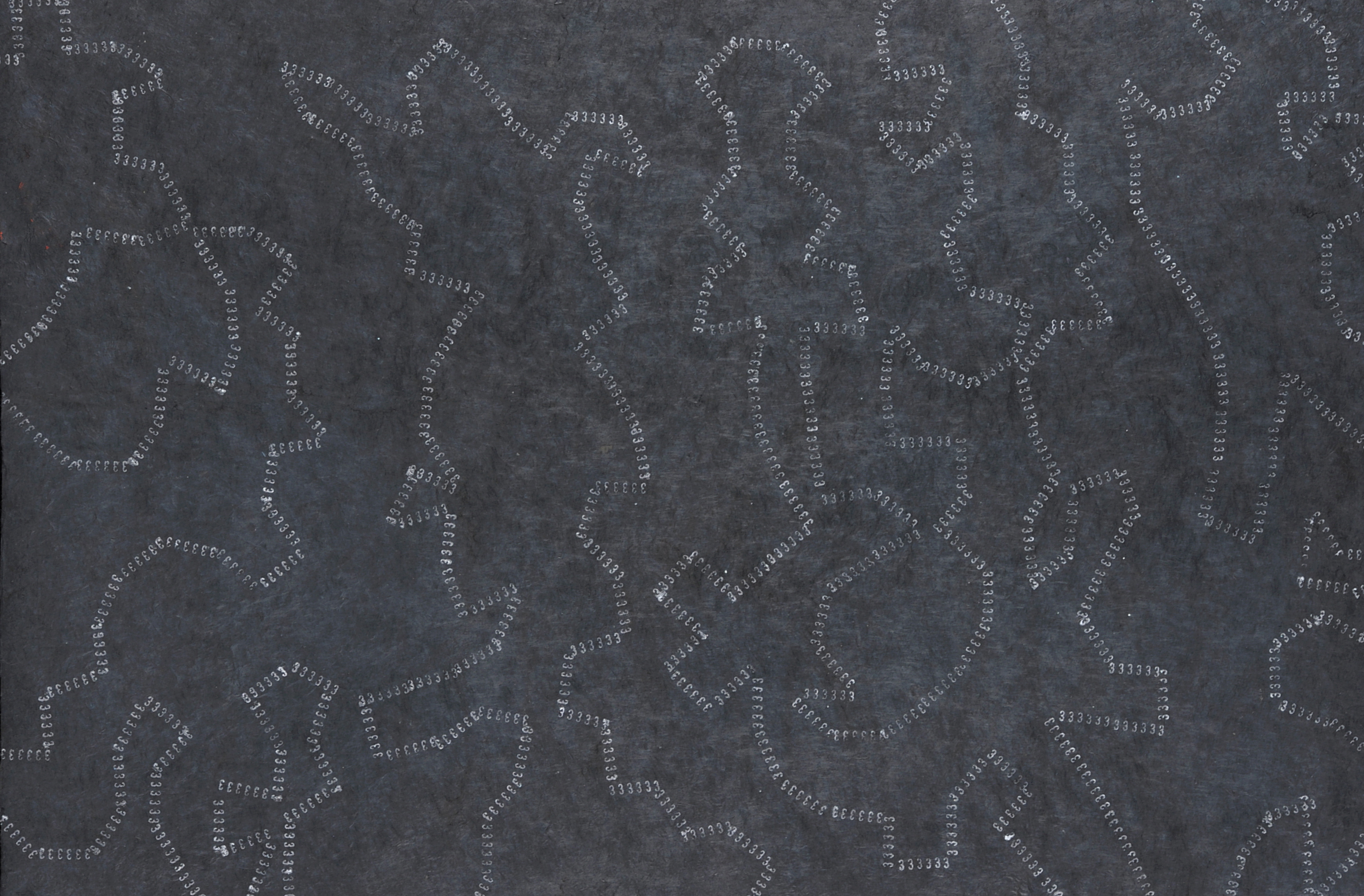 Hunger, 2011, ink on paper, 18″ x 24″ – 45.7cm x 61cm
 Yes & No, 2011, sumi ink on paper, 14″ x 17″ – 35.6cm x 43.2cm
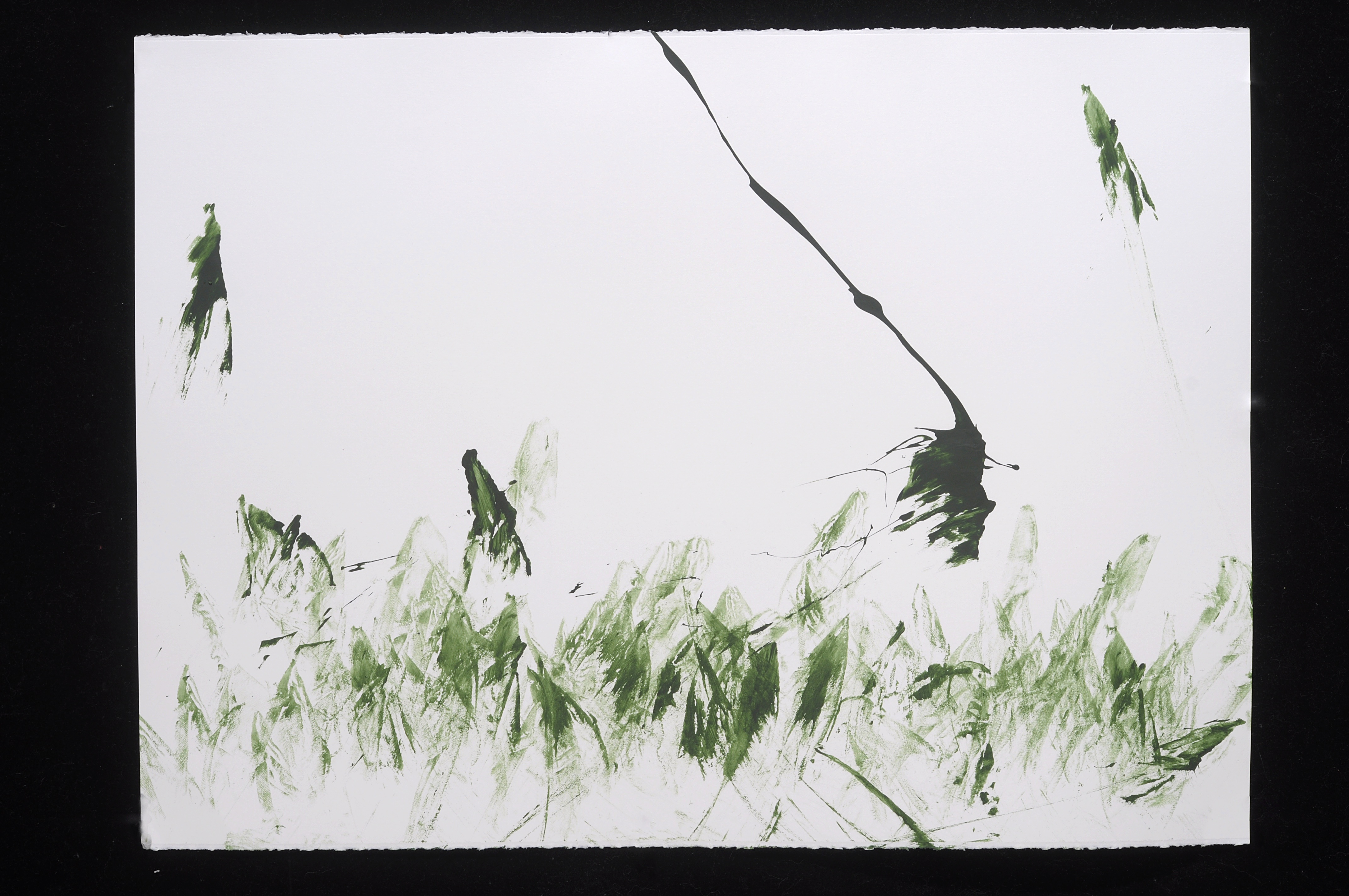 The Rise of the Fall, acrylic paint on paper, 14″ x 17″ – 35.6cm x 43.2cm
 Shin, 2011, digital photography
 Moving Sandwich, 2011, pencil on paper, 18″ x 24″, 45.7cm x 61cm
 Face Off, 2010, paper and enamel paint on glass, 11″ x 14″ – 27.94 cm x 35.56 cm
 Save Face, 2010, paper and enamel paint on glass, 11″ x 14″ – 27.94 cm x 35.56 cm
 48 images; Vox Somnium at Northern Stage, Vermont, 2017
 Di Piazza